


Skincare That Helps With Redness: What Really Works?
Jul 24, 2025
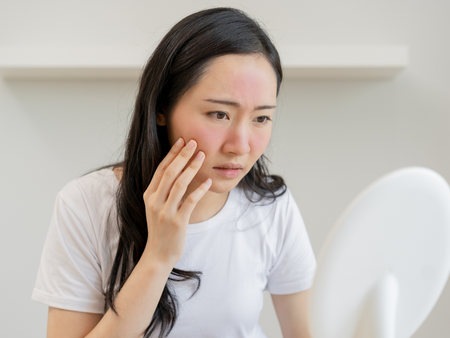
Redness is one of the most common skin concerns, but also one of the most misunderstood. Whether it’s a flushed face after sun exposure, irritated skin from harsh products, stress-related sensitivity, or persistent redness linked to conditions like atopic dermatitis or rosacea, it can be hard to pin down exactly what's causing it.
This guide is for anyone navigating redness—whether it comes and goes or feels like a constant companion. Managing redness-prone skin takes more than a single miracle cream. It requires understanding your skin, identifying your triggers, and choosing skincare that works with—not against—your skin’s natural balance.
Let’s break down what’s really behind redness — and how to treat it gently but effectively.
What Causes Redness on Skin?
Redness can be a symptom of several underlying issues, from temporary flare-ups to more persistent skin conditions. Some of the most common causes include:
- Sun exposure and sun damage: UV rays can weaken the skin barrier, increase inflammation, and cause visible blood vessels to appear.
- Harsh skincare products: Ingredients that strip or sensitise the skin (like alcohols, synthetic fragrances, or strong exfoliants) can lead to irritation and a red rash.
- Skin conditions: Atopic dermatitis, rosacea, eczema, and other chronic skin issues can lead to frequent redness and irritation.
- Environmental stressors: Wind, cold air, pollution, or heat can all aggravate sensitive skin.
- Over-exfoliating: Using face masks or scrubs too often can disturb your skin’s natural protective barrier.
- Hormonal changes in menopause: Fluctuating oestrogen levels during perimenopause and menopause can lead to hot flushes, increased skin sensitivity, and persistent facial redness for some women.
- Diet and stimulants: Spicy foods, alcohol, and caffeine can trigger facial flushing or make redness worse, especially for those with sensitive or redness-prone skin.
- Stress and emotional changes: High stress or anxiety can cause increased skin reactivity and inflammation, sometimes leading to a flushed appearance or flare-ups in conditions like eczema and rosacea.
Redness can affect all skin types, including dry skin, oily skin, and combination skin—but it’s most common in those with sensitive or fair skin.
How to Prevent Redness: Daily Habits That Help
If your skin feels irritated or regularly appears flushed, here are a few prevention tips to help calm it down:
- Use a gentle cleanser: Avoid foaming cleansers that strip the skin. Look for formulas with hydrating and barrier-supporting ingredients like glycerin, jojoba oil, or calendula. A cream-based or oil-based cleanser is ideal for redness- prone skin.
- Apply broad spectrum sun protection daily: This is one of the most effective ways to protect your skin from damage and reduce long-term redness.
- Avoid hot water: Use lukewarm water when cleansing or showering to avoid triggering inflammation.
- Choose anti-redness skincare: Seek out calming ingredients like calendula oil, white tea extract, jojoba oil, or bakuchiol.
- Simplify your routine: Too many actives at once can overwhelm your skin. Focus on nourishing and protecting rather than doing everything at once.
- Support hormonal skin changes: If you’re navigating perimenopause or menopause, be especially gentle with your skin. Look for products that boost hydration and barrier support, and steer clear of aggressive actives like retinoids, strong AHAs (glycolic acid), or high-strength vitamin C serums, which may increase flushing or sensitivity.
- Be mindful of alcohol and diet: If you notice redness after enjoying a glass of wine, spicy takeaway, or an extra cup of coffee, you're not alone. These foods and drinks can dilate blood vessels and increase flushing, especially in sensitive or redness-prone skin. Keeping a journal to track what affects your skin can help you make small changes with big impact.
Skincare That Helps With Redness: Our Top Picks
At The Skin Kitchen, we formulate every product with sensitive skin in mind—using
natural, vegan ingredients backed by science. Here’s what we recommend for redness-prone skin:
1. Nourish and Soothe – Hydrating Body Lotion (for dry, red-prone skin)
This lightweight body lotion is ideal for calming irritated areas on the body, thanks to its high concentration of barrier-repairing oils and soothing actives. Key ingredients include:
- Aloe Vera Juice (1%) – hydrates and soothes inflammation
- Shea Butter – rich in fatty acids to help restore skin barrier
- White Tea Extract – known for its antioxidant and anti-inflammatory properties
- Calendula Oil – a traditional skin-calmer for sensitive or rash-prone skin.
Perfect for dry skin or red patches on areas like the arms, legs, or chest—especially after shaving or sun exposure.
2. Weekly Reset – Watermelon Face Mask
This face mask was designed with redness-prone skin in mind. While clay masks are often drying, we’ve paired pink clay with watermelon water and calendula oil to gently detoxify without stripping.
- Pink Clay – removes impurities while calming irritation
- Watermelon Extract – hydrates and supports skin cell regeneration
- Calendula Oil – helps reduce inflammation
- Sodium Hyaluronate (a form of Hyaluronic Acid) – delivers lightweight hydration to plump and soothe
Skin feels instantly calmer and more hydrated, with a visibly refreshed glow. Use 1–2 times a week to help prevent flare-ups and reset your skin.
3. Restore and Rebuild – Regenerate Facial Oil
This advanced facial oil is packed with ingredients known to reduce redness and support the skin barrier. Especially good for skin with visible blood vessels or recurring sensitivity.
- Bakuchiol – a plant-based alternative to retinol, proven to reduce fine lines and even skin tone—without irritation
- Acai Oil and Pumpkin Seed Oil – calm inflammation and protect against oxidative stress
- Jojoba Oil – mimics the skin’s natural sebum to restore balance
- Olive Squalane + L22 – strengthens barrier function and improves moisture retention
Apply 2–3 drops after cleansing and before moisturiser. Can be used daily, both morning and night, or every other day depending on your skin’s needs. Suitable for all skin types.
4. Lock in Calm – Hydrating Facial Oil
Formulated with dry or sensitive skin in mind, this trio of oils helps calm the redness that often appears at the end of a long day.
- Camellia Oil – rich in antioxidants to soothe inflammation
- Marula Oil – known for its calming and deeply hydrating effects
- Rosehip Oil – supports skin cell renewal and evens tone
It’s especially good at protecting your skin from cold air and sun exposure. Ideal for nightly use or whenever your skin needs a moisture reset.
Ingredients to Look For in Anti-Redness Skincare
When choosing skincare that helps with redness, look for ingredients that calm, hydrate, and protect:
Ingredient Why it helps
Aloe Vera Soothes inflamed, irritated skin
Calendula Oil Calms skin and supports healing
White Tea Extract Helps reduce visible redness
Jojoba Oil Balances oil and reduces irritation
Bakuchiol Evens skin tone without harshness
Shea Butter Rebuilds and protects the skin barrier
Squalane Boosts hydration and barrier repair
Vitamin E Reduces free radical damage from the sun
Acai Oil Rich in antioxidants; calms inflammation
L22 Mimics skin’s natural lipid profile to support barrier repair
Final Tips: Redness Isn’t Always About Products
Skincare products can make a huge difference—but your lifestyle matters too. If your skin is easily flushed or reactive:
- Manage stress – Redness can often be triggered by stress-related inflammation, especially during periods of high tension or poor sleep.
- Be aware of your diet – Spicy food, alcohol, and caffeine can also contribute, so keeping a food and skin diary might help identify personal triggers.
- Protect your skin – Always apply SPF and wear a hat in strong sun.
- Patch test new products – Even natural ingredients can cause sensitivity if not right for your skin type
Summary
Redness isn’t something you just have to live with. With the right skincare routine and anti-redness skincare products, you can calm inflammation, restore your barrier, and feel confident in your skin again. Whether you're dealing with redness after sun exposure, redness-prone skin in winter, hormonally sensitive skin, or flare-ups triggered by diet or stress—taking a gentle, intentional approach to skincare is key. For skincare that helps with redness and supports all skin types, explore our full range at The Skin Kitchen.


